Chop Chop Inc Tree Types
Normal timber, walnut, stone, metal, and electric groves explained
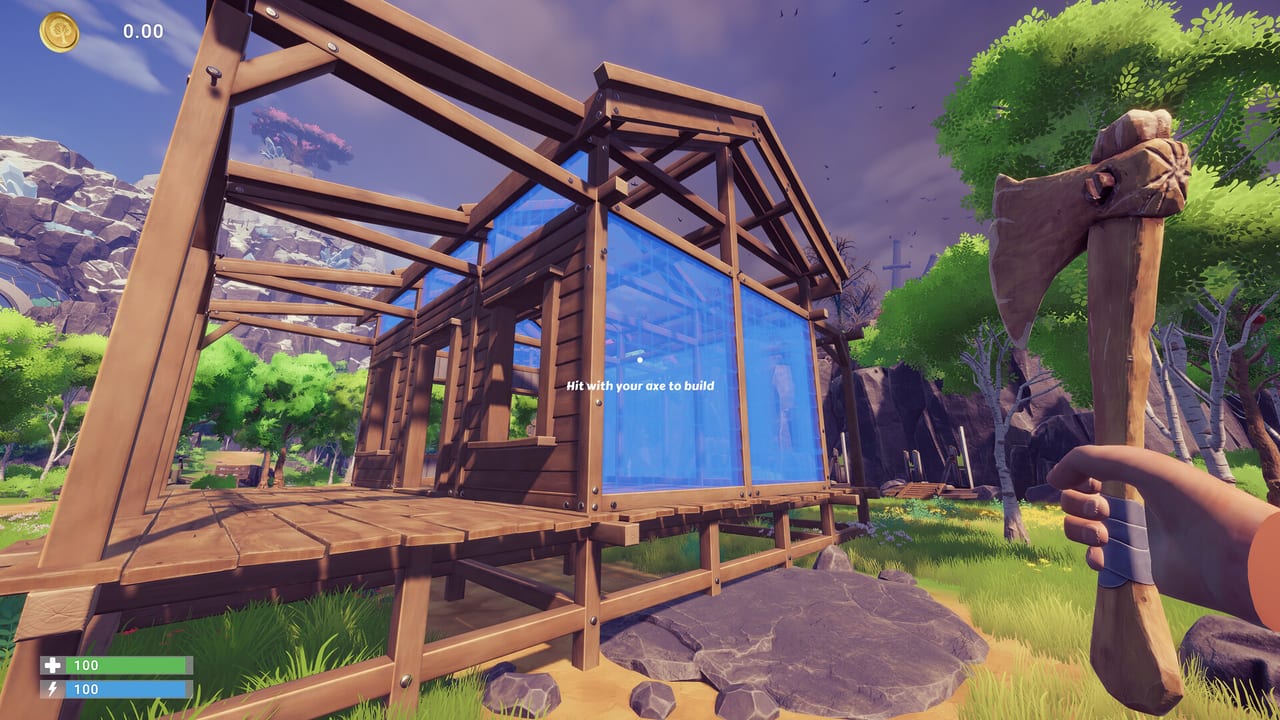
Chop Chop Inc refuses to be a single-species lumber sim. NullRef Entertainment scattered normal timber, premium walnut, and the headline oddities—stone trees, metal trees, and electric trees—across a handcrafted map you explore in first-person after Furnox Corp fires you. Each type feeds different stages of materials processing and unlocks distinct blueprint tiers when combined with HQ upgrades. rokaplay select publishes the complete forest roster on Steam August 7, 2026 (€12.99, PC, single-player, English and German).
This guide classifies every known tree family, recommended axe tiers, and where each species belongs on your tier list harvest schedule.
Normal lumber trees
Standard deciduous or conifer-style trees supply logs for basic planks—the bulk of early furniture catalog items like stools, crates, and simple tables. They respawn on approachable timers, tolerate starter axes, and cluster near the demo campsite for tutorial pacing.
Farm normal trees when:
- You need volume for plank stockpiles feeding manual saws.
- You craft housing components before walnut unlocks.
- You fuel cooking fires or firewood sales without touching premium wood.
Pair normal groves with short haul paths documented on the map. Carry weight stats matter more here because spam-chopping fills inventory fast.
Walnut trees
Walnut wood marks the mid-game premium tier. Trunks are tougher, locations sparser, and outputs drive high-margin sets—dining suites, executive desks, showroom beds—that trigger furniture set bonuses when completed.
Walnut tips:
- Upgrade axes through machines shop or HQ rewards before attempting full trunk clears; half-felled walnut wastes time.
- Process walnut through dedicated planing steps described in materials processing—never dump walnut logs into generic plank bins.
- Schedule walnut runs after buffing stats with kitchen meals at HQ.
Walnut is the bridge between scrappy startup and Furnox-competitive catalog depth.
Stone trees
Stone trees are Chop Chop Inc’s geological joke that also solves recipe logic: instead of leaving the forest for a quarry, you chop living rockwood that drops stone shards or geode-like chunks. Process them at crushers into blocks for sturdy furniture frames, foundations, or city upgrade materials.
Stone trees likely demand mid-tier axes and appear farther from camp—check walkthrough route notes for safe first clears. Inventory weight spikes; plan trips with empty bags or NPC haulers once NPC helpers unlock.
Stone outputs gate heavy sets on the tier list when metal alone is insufficient for structural integrity flavor text.
Metal trees
Metal trees bleed rust-colored sap or expose metallic bark when struck. Drops refine into nails, brackets, gears, or machine parts—overlapping with bought components but letting vertical integrators skip vendor markup after upfront tool investment.
Metal farming accelerates build progression because machines consume hardware continuously. Prioritize metal trees when expanding automation rather than when crafting one-off joke props.
Combine metal routes with electric tree farming in the same expedition if groves share a biome on the map.
Electric trees
Electric trees are the wildest resource nodes—probably humming trunks or lightning-scarred giants dropping capacitors, wiring, or battery analogs. They feed advanced saws, distribution systems, and prestige crafts like wooden PCs that need believable power aesthetics.
Electric drops may be fragile or hazardous; demo players should experiment on single trunks before committing bulk inventory space. Full release automation probably consumes electric components per machine hour—track throughput in resource loop spreadsheets.
Without electric inputs, late HQ and city upgrades stall even if walnut stockpiles overflow.
Axes, stats, and tree matching
Axes tier-gate efficient harvesting. Starter gear on walnut or stone trees yields glacial progress; endgame gear on normal trees wastes durability if durability exists.
Recommended matching:
| Tree family | Axe expectation | Primary output | Main consumer |
|---|---|---|---|
| Normal | Starter to mid | Logs | Basic planks, firewood |
| Walnut | Mid to high | Walnut logs | Premium sets |
| Stone | Mid | Shards | Blocks, foundations |
| Metal | Mid to high | Scrap | Fasteners, machine parts |
| Electric | High | Components | Automation, prestige crafts |
Adjust rows after launch if NullRef rebalance axes—watch Updates.
Visual identification in the field
First-person chopping demands quick reads:
- Normal — familiar bark, moderate height, common near paths.
- Walnut — darker grain streaks, wider canopy, fewer per grove.
- Stone — rocky bark, mineral glints, dull impact sounds.
- Metal — metallic sheen, spark particles on hit.
- Electric — glow, arcs, or humming audio cues.
Misidentification wastes stamina; when unsure, land one test chop before buffing with food.
Tree types vs automation
Automation never removes species requirements—it centralizes them. Log sorters must route types to correct processors; mixed belts jam materials processing lines. Label groves on your mental map by dominant species before assigning NPC helpers to farm routes.
Environmental and narrative flavor
Trees “begging for violence” per Steam copy—expect comedic animations and maybe secret interactables on odd trunks. Secrets may hide blueprint schematics; exploration rewards tie back to guides collectibles lists post-launch.
Furnox probably logged normal timber only; your empire exploits the weird forest they ignored.
Related links
- Trees Hub
- Resource Loop
- Crafting Hub
- Review for world design impressions
Know your trunks, match your axe, and every tree type in Chop Chop Inc becomes a typed paycheck instead of a stamina sink.
Frequently Asked Questions
Quick answers to the most common Chop Chop Inc questions.
What is the rarest tree type?
Walnut and exotic electric groves appear rarer than normal lumber. Exact spawn rates may vary by biome and progression.
Do I need a special axe for stone trees?
Mid-tier or higher axes are recommended. Starter axes may chip stone trees too slowly to be worth the stamina cost.
Can metal trees replace bought fasteners?
Processed metal drops overlap with vendor parts. Local smelting saves money once processing stations are unlocked.
Are electric trees dangerous?
They may use hazard visuals or minor damage on hit. Test carefully and keep healing or buff food ready.
Which trees should I farm first?
Normal lumber until plank flow stabilizes, then walnut for set bonuses, then exotic types as blueprints demand them.